
10 Incredible Animals You Can See in Costa Rica
Costa Rica is home to 2.5% of the planet’s biodiversity making it one of the best places in the world to see animals in their natural habitat. Sadly, in the last 50 years, we’ve lost over 60% of all wildlife. Costa Rica is at the frontlines of preservation for animal and plant life with about 28% of the country belonging to protected reserves and National Parks. Because of these conservation efforts, Costa Rica is famous for its wildlife! Here are 10 incredible animals in Costa Rica that you can see in the wild.
Amazing Animals in Costa Rica to Spot:
Don’t Forget Travel Insurance!
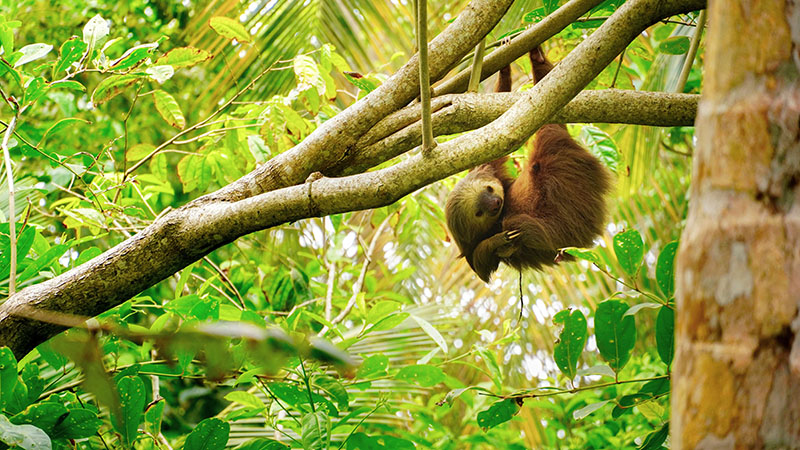
Sloths
These sleepy, slow creatures are often sought out by tourists, but there’s no need to visit so-called-sanctuaries that exploit sloths in captivity (you should never hold one) when you can see them in the wild. There are two species of sloths, both of which are nocturnal and sleep over 10 hours a day. See if you can identify 2-toed sloths and 3-toed sloths while in Costa Rica.
I had my first few sloth sightings in Manuel Antonio National Park with my expert local guide from Tucanes Tours who even spotted a baby sloth. Outside of Karandi Hostel in Uvita, there was a family of 5 sloths that lived in the trees across the road. I also spotted sloths in Cahuita National Park. But, the best sloth sightings I had were in Tortuguero National Park during a sunrise boat tour. We came across a tiny sloth sleeping low in the tree right above our boat.
Read More: 11 Best Places to See Sloths in Costa Rica (Plus Tips for Spotting Them!)
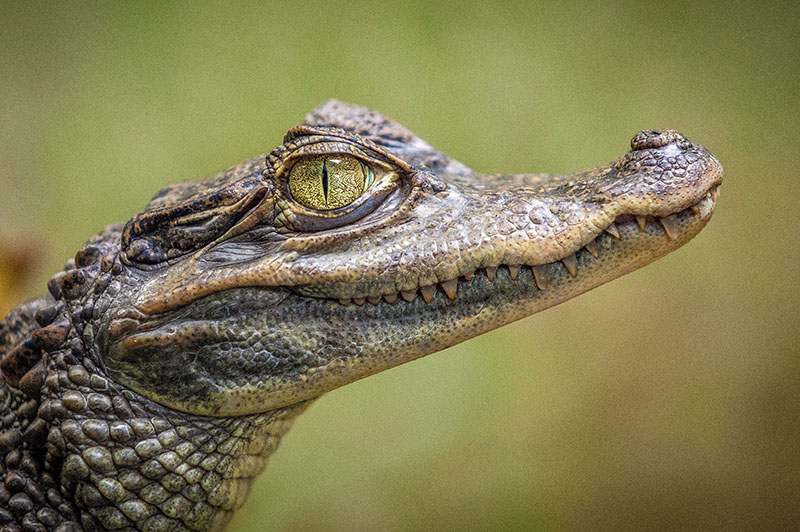
Caiman
No, that’s not a crocodile or an alligator! But caimans are a part of the ancient alligator crocodilian family and they’re usually found in mangroves. I spotted several in the waterways of Tortuguero National Park. A large one, over 6-feet-long, swam right up to our boat. I was convinced he was going to jump in. Don’t ever swim in the rivers there, ok?
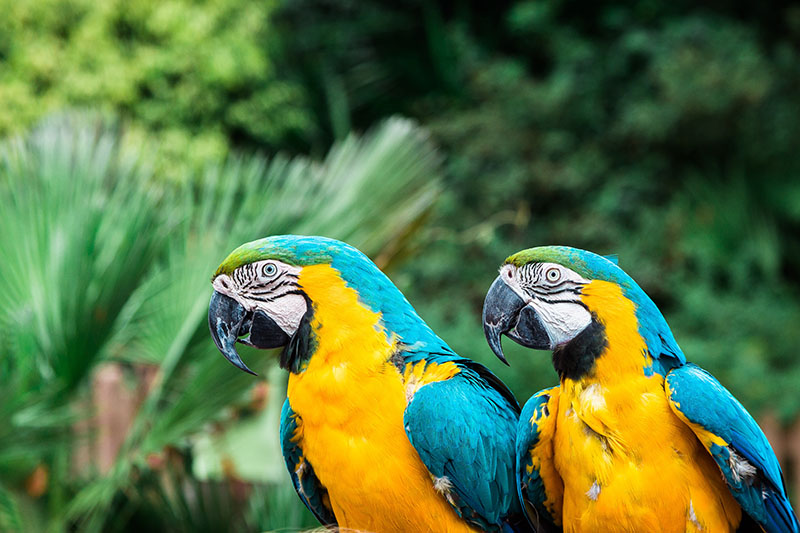
Macaws
In Costa Rica, macaws are called lapas. Although I saw hundreds of macaws during my two months in Costa Rica, they were once nearly extinct due to loss of habitat and captivity. The Ara Project has been working towards the preservation of these brilliantly colored birds. Scarlet macaws can be found everywhere from Corcovado to Jaco. The best chance at spotting them is during dawn or dusk when the weather is cooler. They can usually be found flying around in pairs, as they mate for life, or snacking on almond trees. I was extremely fortunate to see a critically endangered great green macaw in the wild at Tortuguero National Park.
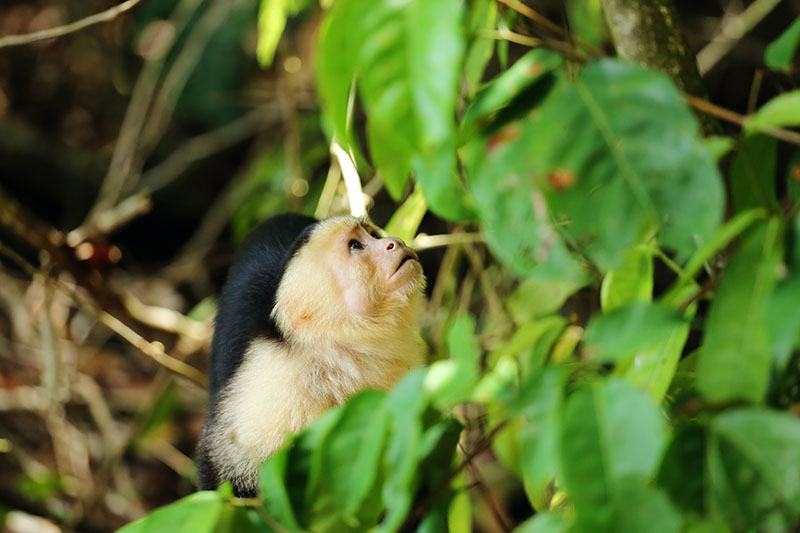
Capuchin Monkeys
Don’t let the darling white-faced capuchin monkey fool you, they’ll take whatever they can from you. Your wallet, passport, sunglasses, and water bottle–nothing is safe. Otherwise, these primates are quite harmless, just keep a respectful distance and avoid direct eye contact. They can be found all over Costa Rica, especially in the low wetland forests of Manuel Antonio National Park and Cahuita National Park.
Read More: 7 Best Places to See Monkeys in Costa Rica
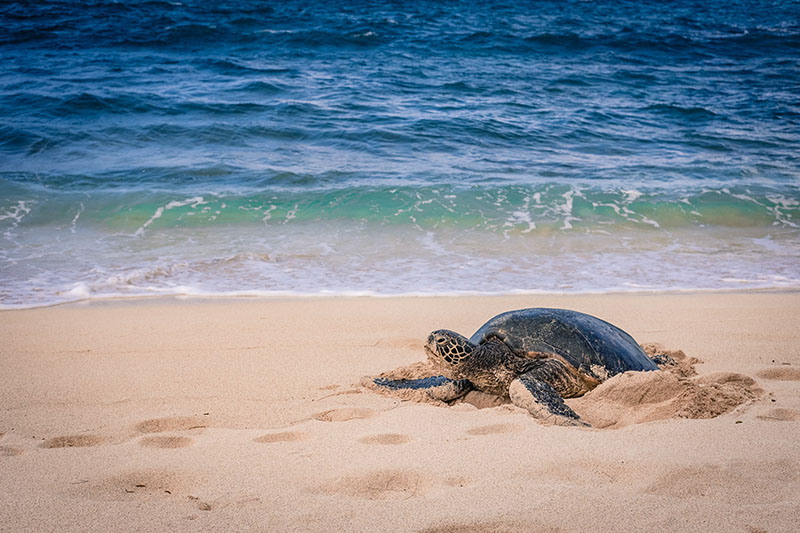
Olive Ridley Sea Turtles
Costa Rica has four species of sea turtles in its beautiful seas. The most popular spot to see giant sea turtles laying eggs is Tortuguero National Park. I got lucky and had my first-ever olive ridley sea turtle in Uvita. We came across a pair of turtles copulating in the choppy waves. Sea turtles can have sex for up to 24-hours!
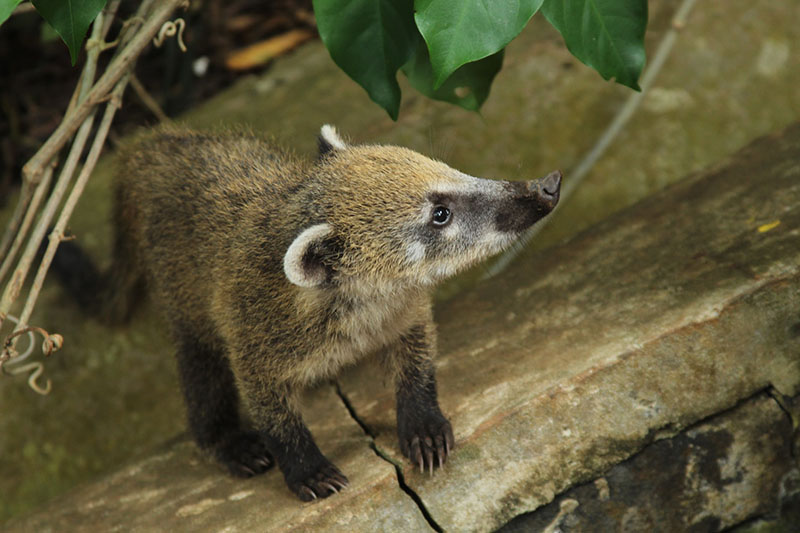
Coati
The furry cousin of the raccoon (also commonly seen in Costa Rica) is a shy, yet curious little creature. I spotted these large furry mammals all over the country, from the jungle that surrounded The Retreat and deep into the Osa Peninsula protected park. You may know them as the hog-nosed coon and locals often refer to them as pizotes.
Read More: The 6 Wild Cats in Costa Rica (+ Where You Might See Them)
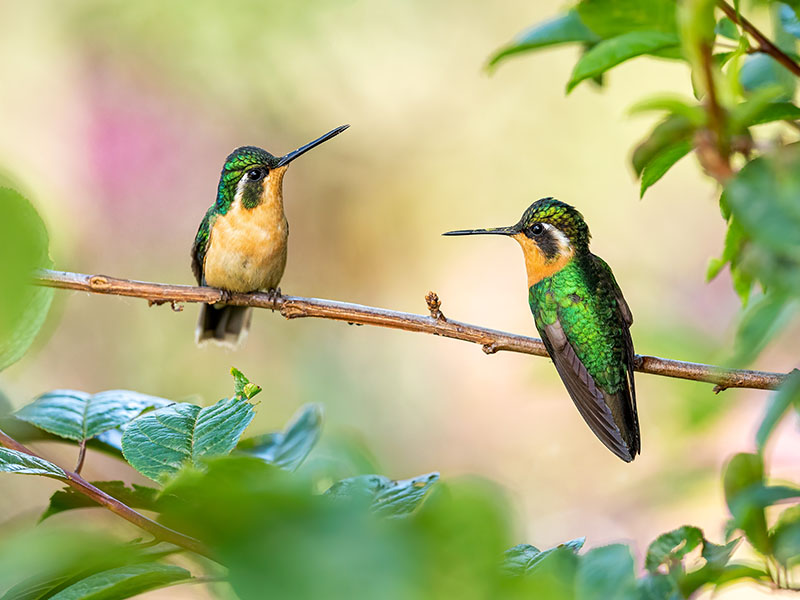
Hummingbirds
If you’ve always dreamed of spotting these tiny birds then make your way to Costa Rica. Hummingbirds live in abundance all around the country, there are 54 species of hummingbirds here. If you’re lucky, one may just stay still long enough for you to snap a photo.
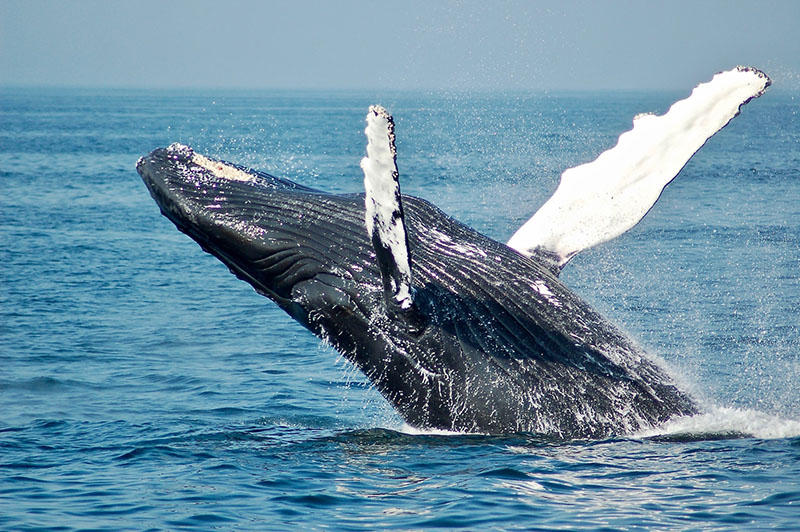
Humpback Whales
From the Osa Peninsula up to Coco in Guanacaste humpback whales come to Costa Rica to give birth to their young from August to October. I went whale watching in Uvita with Tucanes Tours and saw three massive female humpbacks with their calves. The gigantic water mammals frolicked in the sea and one even breached right in front of us. The female humpback whales migrate to the area without their male counterparts as the males will kill the calf if they have a chance in order to mate with the female whale again.
Read More: While seeing whales is never a guarantee, we recommend taking a tour with Kuna Vela during whale season. If there are whales in the bay, Captain Israel will find them!
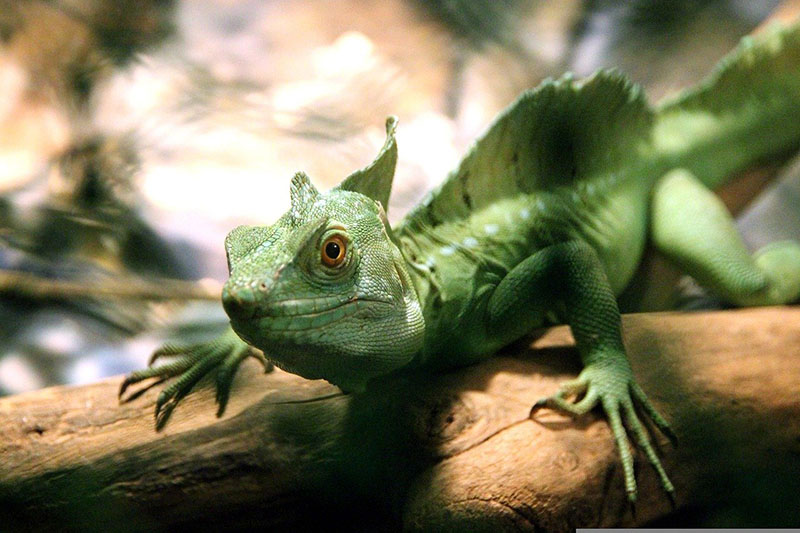
Common Basilisk
The common basilisk lizard is locally referred to as the Jesus Christ lizard because of its mystical ability to walk on water. It’s webbed feet let it glide quickly over the surface which is quite an odd sight to see. Usually, they’re just happily perched on a branch taking in the glorious Costa Rica sun rays. These are often spotted near water in both the Caribbean and Pacific coasts of Costa Rica.

Fiery-billed Aracari
The only place in Costa Rica where I saw the technicolor fiery-billed Aracari was from the quartz mountain where The Retreat is located. A large group of the small toucans would move quickly from palm tree to palm tree at The Retreat as they had a feast of palm fruit. They can only be found in high altitude and can sometimes be spotted around La Fortuna.
Lola Méndez is a travel writer and full-time globetrotter sharing her adventures on Miss Filatelista. Passionate about sustainable travel she seeks out ethical experiences that benefit local communities. You can follow her on Instagram, Facebook, Twitter, Pinterest, and LinkedIn.


