The Best Surfing Near Playas del Coco
By Jennifer LaCharite
Coco Beach isn’t known for surfing but you can definitely use it as a home base for some of the best surf spots in Costa Rica. If you’re keen on discovering the thrill of surfing near playas del coco, consider taking a day trip and heading south for a beginner surf lesson.
While Playas del Coco is not the place to catch the biggest waves in Costa Rica, it is a great starting point for some of the best surfing in the country. From Coco, you can easily catch a boat to Witch’s Rock and Ollie’s Point, two places that surfers from around the world come to visit, or take a day trip to some of the best beaches for beginning surfers.
If you’re looking for the best surfing near Playas del Coco, here’s where you should go.
Don’t Forget Travel Insurance!
To the North
Two of the most infamous surf breaks in Costa Rica have to be Witch’s Rock and Ollie’s Point. You may have heard about these major swells in the movie, “Endless Summer II”. Not easy breaks to get to, most opt to charter a boat to take them out to these swells. The effort is considered well worth the reward however, as these breaks are rarely crowded, and sure to impress even the most advanced surfer!

Witches Rock
Witch’s Rock, or Roca Bruja in Spanish, is located about 30 kilometers up the coast from Coco. The giant rock can be found off the coast off Playa Naranjo, which is popular among dedicated surfers and is known for its amazing scenery. Playa Naranjo is part of Santa Rosa National Park. The remote location makes it somewhat harder to reach and is therefore reserved for the serious surfer rather than the beginner.
Surfers of all styles will likely catch some waves at Witch’s Rock, which has an A-frame wave that breaks both left and right. Although the surf is consistently strong, the best time to surf at Witch’s Rock is at high tide during the dry season, particularly December through March.
Ollie’s Point
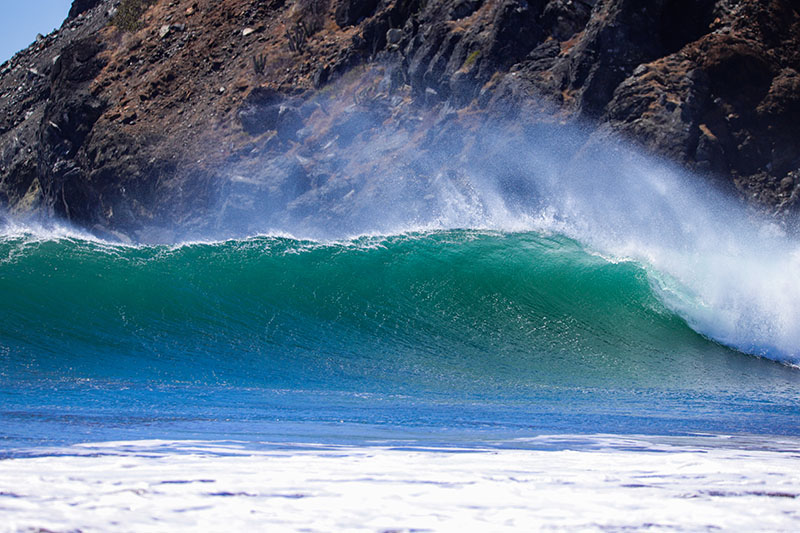
Ollie’s Point is a world class right point break that is located off of Potrero Grande Beach (not to be confused with Grande Beach or Potrero Beach to the south). The beach is located 100 kilometers north of Coco Beach, however, this break is not reachable by land, and anyone wanting to surf the large breaks will have to take a boat from Coco or Ocotal.
Ollie’s Point is a river mouth point break that produces strong, fast-moving waves. The takeoff zone is rocky and makes for a fairly slow entry, but the large and powerful waves can take surfers all the way back to the beach. Ollie’s Point takes its name from a political scandal involving US Lt. Col. Oliver North (ret.) and the “secret” airstrip that still remains at the secluded beach.
Looking for a boat to take you to Witch’s Rock or Ollie’s Point? We recommend reaching out to Gonzalez Sport Fishing for a ride. Tell them Let’s Travel Costa Rica sent you!
To the South
Taking a trip south of Playas del Coco will open you up to a whole world of surfing beaches and the surfer lifestyle. Tamarindo Beach is a bustling surfer town, busy with tourists looking for their first surfing lesson, while in nearby Playa Grande you can almost feel the laidback surfer vibes.

Tamarindo
Less than an hour and a half drive from Coco is Tamarindo Beach. This is a well-known surfing destination, particularly for those looking to take surfing lessons. Here you will find at least a dozen surf schools and camps offering daily lessons and board rentals, to week-long accommodations plus lessons package deals.
While there are a few breaks ranging from beginner to intermediate along Tamarindo Beach, the main break is located from Iguana Surf Camp to Witch’s Rock Surf Camp along the main road. Its soft, sandy bottom and easy take-off allows for safe and fun surfing for all skill levels. It’s the reason why this beach is where most of the surfing lessons in Tamarindo, and much of Costa Rica, take place.
Playa Grande
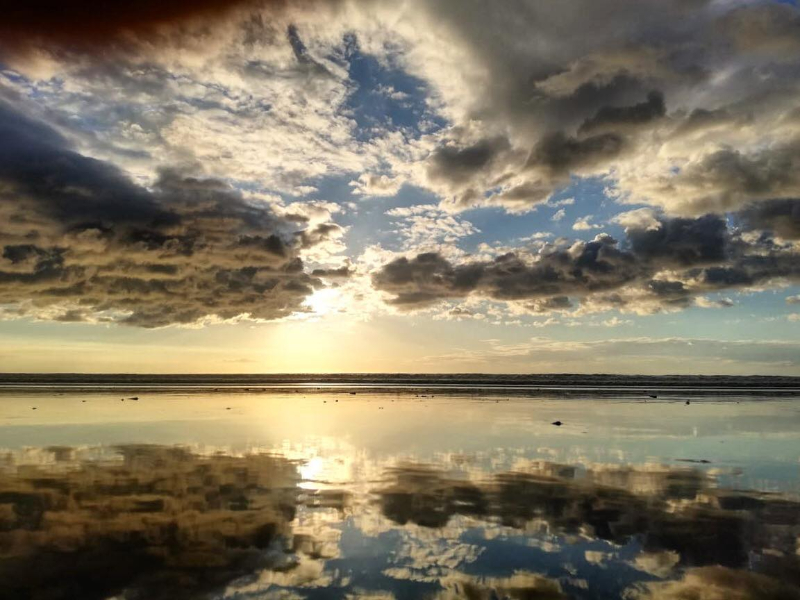
Playa Grande is just across the estuary from Tamarindo and is typically less crowded. This beach is popular with more advanced surfers and may not be suitable for beginners. The main beach break, located right in front of the main parking lot, can be very large. With A-frame waves, lots of lefts and rights, and sometimes barreling sections, the main break at Grande Beach is not for the faint of heart.
At the southernmost part of Grande, closest to the estuary, you will find the Casitas Break, which is friendlier for surfers of lesser skill on days with a smaller swell. Of course, anyone surfing near the estuary will have to keep their eyes open for crocodiles, which are known to frequent the area.

Langosta
Just south of Tamarindo Beach is Playa Langosta. This stretch of beach offers surfers both rights and lefts, breaking over sand and rock bottom. There is also a river mouth here, which typically makes for consistent swell and A-frame waves.
The most advanced break at Langosta is called Sapo (Toad) and is considered an intermediate to advanced break due to the rocks. Located on the north side of Playa Langosta, Sapo break offers large swells and is less crowded than the river mouth break, which is popular at this beach.

Avellanas
Even further south of Langosta, about 60 kilometres from Coco, you’ll find the surfing beach of Playa Avellanas. Considered to have some of the most consistent waves in the country, it will not disappoint a true surfer on almost any given day. And with little in the way of tourist traps, surfers will have nothing to distract them from shredding. If you do make the trip to Avellanas, you must check out Lola’s Bar and Grill, a popular hangout for surfers and their resident hog, Lola.
While Avellanas boasts seven breaks, one of the most popular and most advanced, is called Little Hawaii. Located at the northern end of Playa Avellanas, Little Hawaii has powerful waves that break over the reef. This spot is directly in front of the beach access for Hacienda Pinilla, near the river mouth.
While Playas del Coco may not be a surfing beach it is still in a great location for anyone hoping to take up the new skill or take on a true challenge in the sport. And, hey, you can always bring your boogie board! Coco’s waves can be great for bodyboarding, usually just before sunset.
More on Playas del Coco:
- How To Get To Playas del Coco From San Jose
- 10 Incredible Ocean View Properties in Playas del Coco
- Where To Eat In Playas del Coco Under $10
- The Best Beaches Near Playas del Coco
- 5 Unforgettable Waterfalls Near Playas del Coco